Additive Assurance's AMiRIS enters aerospace OEM evaluation to unify in-situ process monitoring across multiple metal LPBF platforms

Service
Originally reported by 3Druck
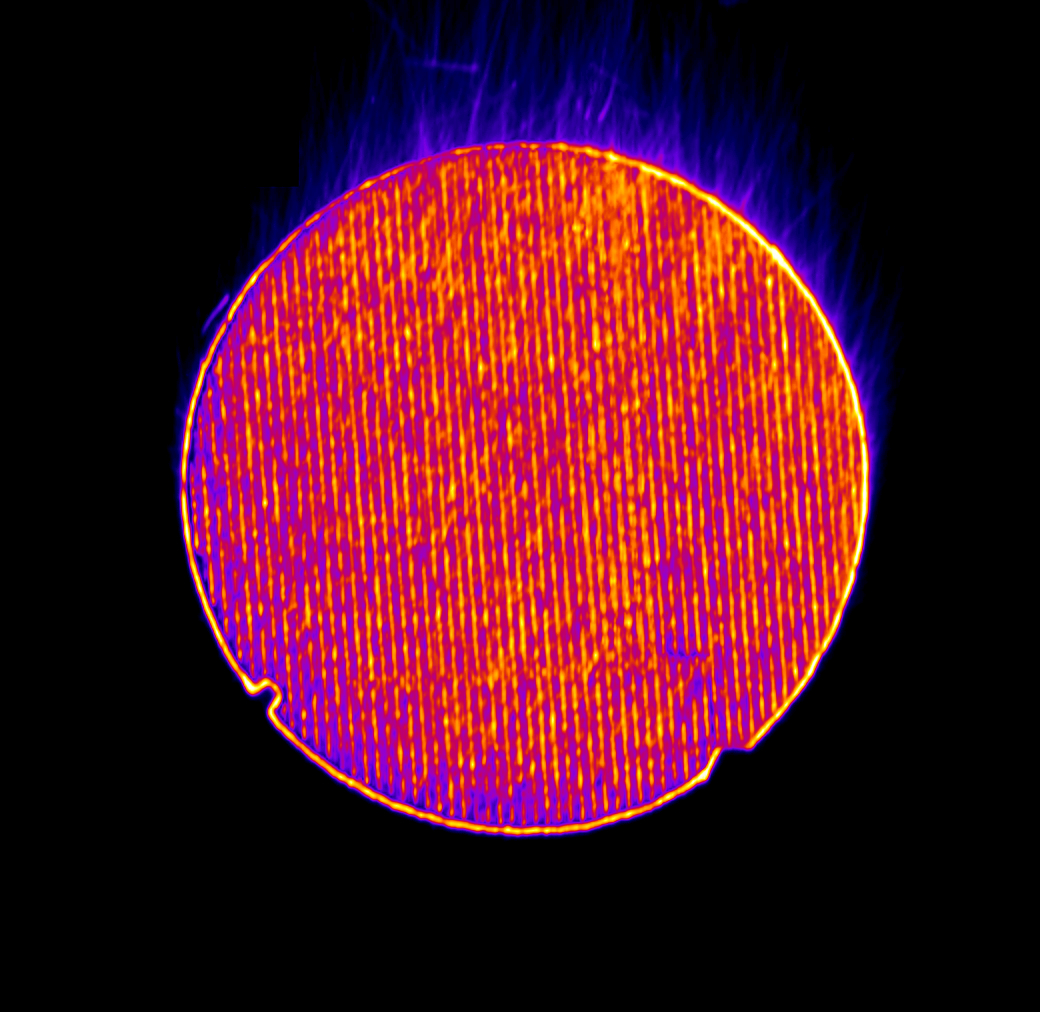
An unnamed aerospace and defense OEM is evaluating AMiRIS, in-situ process monitoring software from Australia's Additive Assurance, to consolidate thermal-signal data collected across different metal laser powder bed fusion (LPBF) machine platforms into one manufacturer-independent analysis layer. Machine builders typically pair each system with proprietary sensors and evaluation algorithms, which forces OEMs to re-validate quality procedures whenever they add a new platform or supplier to their fleet. A senior engineer at the evaluating company says the appeal is a common analysis layer that travels across machine families and suppliers rather than binding qualification work to one vendor's toolchain. Additive Assurance managing director Marten Jurg frames AMiRIS as bridging academic process monitoring and industrial quality assurance, with automated reporting built for workflow integration rather than one-off investigation.
The distinction the OEM draws matters for how the technology gets evaluated: AMiRIS flags process anomalies from build-layer thermal signals, not confirmed defects, and any anomaly still requires correlation against computed tomography, destructive sectioning, or other non-destructive testing before it counts as evidence. That correlation step is the actual qualification bottleneck for large, geometrically complex metal parts, where CT scanning is expensive, slow, and sometimes technically infeasible on internal features. Cross-platform in-situ monitoring is positioned as a way to triage which regions warrant that expensive follow-up inspection rather than replace it. The OEM's evaluation remains open-ended, and broader adoption depends on whether flagged anomalies reliably track actual defects across repeated builds.
Topics