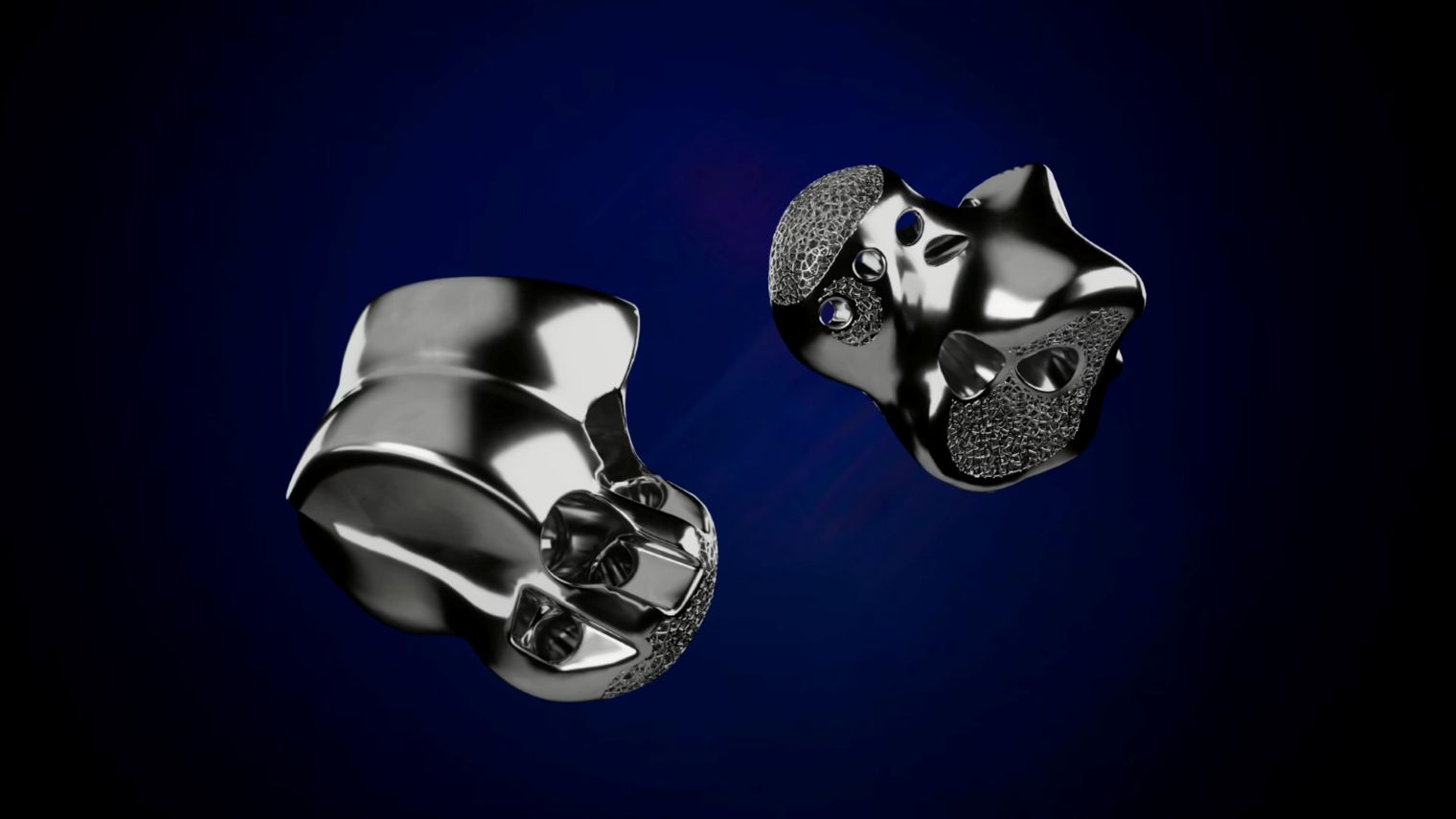
Croom Medical brings patient-specific 3D printed implants fully in-house

Platform
Originally reported by 3D ADEPT
Croom Medical, an Irish orthopedic implant manufacturer, has completed the vertical integration of its patient-specific metal implant production. The company now handles all steps - design, metal LPBF printing, machining, finishing, and inspection - for implants made from Ti-6Al-4V, cobalt chrome, and tantalum. By eliminating external handoffs, Croom Medical has compressed turnaround times from weeks or months to a matter of days, a critical improvement for implants scheduled directly to a specific surgery. The shift moves the firm from a build-to-print model reliant on multiple suppliers to a single-site, controlled process chain.
This move directly addresses one of the most persistent friction points in medical AM: the qualification and coordination burden across a fragmented value chain. Patient-specific implants carry individual regulatory approval tied to the design and manufacturing process; each external transfer adds queue time, shipping, and revalidation risk. By collapsing the workflow in-house, Croom Medical controls both lead time and quality governance, an advantage that matters more than raw printer throughput in the medical-dental vertical. The strategy mirrors what a few large players (e.g., LimaCorporate, Stryker) have already done, but for a mid-sized specialist, it represents a meaningful step toward production maturity rather than prototyping convenience.
For Croom Medical, the practical task ahead is scaling the in-house capacity without compromising the process consistency that regulatory bodies require. The technology to print and post-process these alloys is mature; the discipline now lies in repeatable qualification across every implant batch. For hospitals and surgeons evaluating supplier options, the key differentiator is no longer whether a firm can print titanium - it is whether they can deliver a fully validated, traceable implant on a surgical schedule. That is the bar this integration must clear every day.
Topics