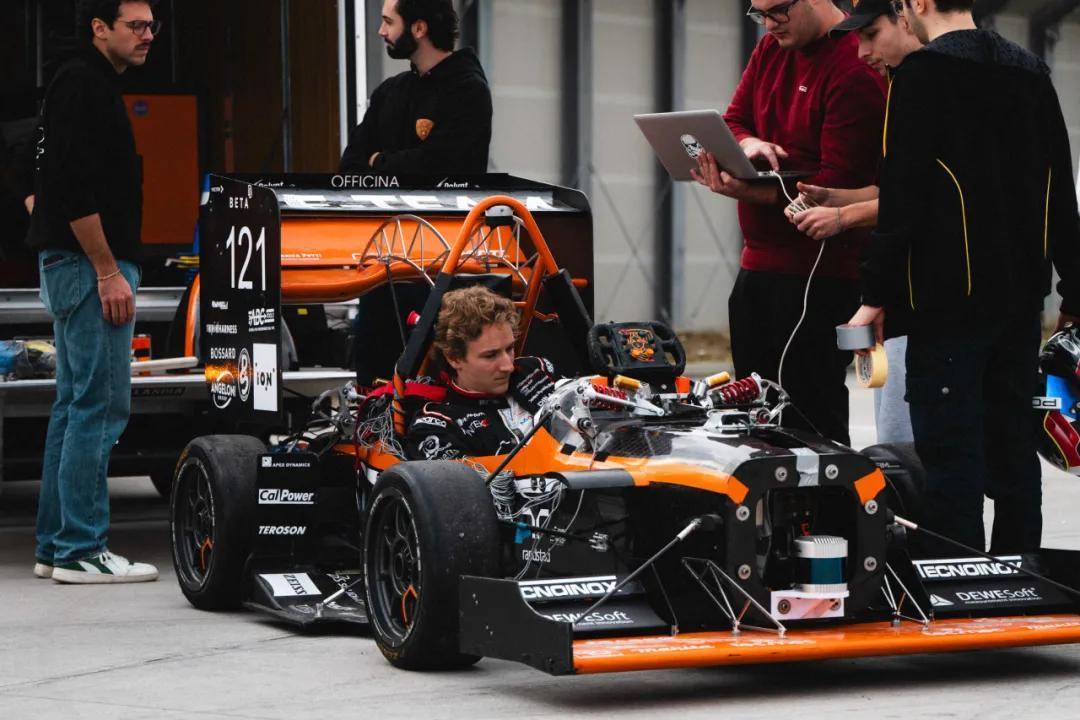
eSUN supplies PA-CF and other materials for University of Pisa electric formula racing car

Materials
Originally reported by 南极熊3D打印网
Chinese filament manufacturer eSUN has supplied PA-CF, UL94-V0 flame-retardant ABS, and PLA+ materials to the E-Team Squadra Corse at the University of Pisa for their 240kg electric formula racing car, which reaches 130 km/h. The team used eSUN's PA-CF for high-strength functional parts such as front-wing skid plates and components that survive autoclave curing cycles, replacing previously machined aluminum parts. The flame-retardant ABS was deployed in the high-voltage battery housing and internal supports to meet competition fire-safety standards, while PLA+ served as the material for large-format glass-fiber layup molds for aerodynamic bodywork. All printed parts underwent internal structural validation and load testing before installation on the vehicle.
This partnership places eSUN in a growing but still niche application space: polymer AM for functional, load-bearing components in motorsport and high-performance automotive prototyping. While the University of Pisa team is a small-scale academic customer, the material requirements - flame retardancy, high-temperature resistance during composite curing, and wear resistance - mirror the demands of industrial tooling and low-volume production. eSUN's position as a broad-spectrum filament supplier (from commodity PLA to engineering PA-CF) allows it to serve such multi-material projects without requiring the customer to qualify multiple vendors. The deal is modest in revenue terms but provides eSUN with a documented reference case in a performance-driven vertical, which can be leveraged for future automotive or motorsport accounts.
For eSUN, the practical value lies in the validation data and the team's public endorsement of material consistency across multiple print runs. The company should now focus on converting this academic reference into a repeatable sales narrative for small-series production customers in Europe, where material qualification documentation is often a prerequisite. The University of Pisa team's next step will be to determine whether PA-CF can replace additional metal parts beyond the current scope, which would test the material's fatigue performance under real racing conditions.
Topics