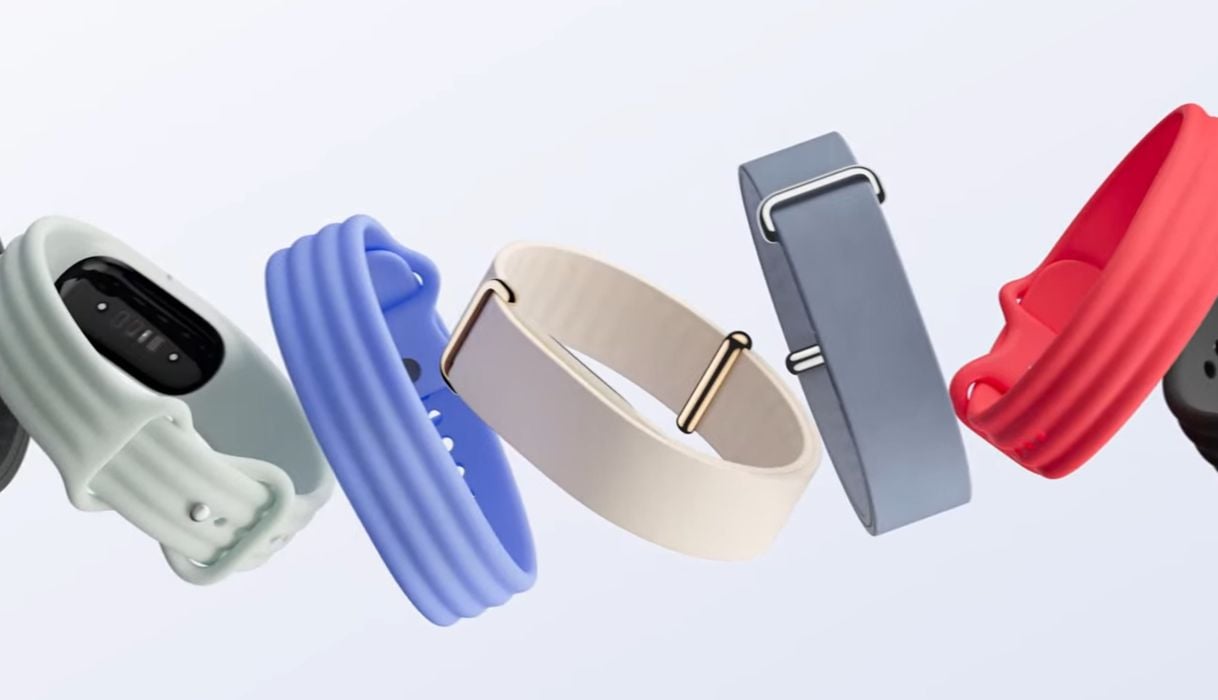
Google launches program enabling users to 3D print custom Fitbit Air bands
Originally reported by Fabbaloo
Google has announced a program allowing users to design and 3D print custom bands for the Fitbit Air fitness wearable. Rather than providing finished 3D models, Google is releasing 2D engineering drawings with critical dimensions for the sensor housing and strap attachment points, along with material guidelines for long-term skin contact. The company explicitly states the bands can be produced via any manufacturing process, including desktop FDM/FFF or resin printing, and encourages designers to sell their creations. This is not a Google-manufactured product but an open specification intended to drive Fitbit ecosystem engagement through third-party customization.
This move fits the consumer-electronics personalization playbook, where hardware makers offload accessory design to users and third-party creators to increase device stickiness. Unlike Apple's confirmed AM adoption in Watch Ultra 3, which uses metal PBF-LB for production components, Google's approach targets the polymer desktop AM segment - specifically material extrusion and vat photopolymerization - for low-volume, user-driven customization. The program's significance lies not in technical novelty but in its ecosystem strategy: by releasing dimensional specs rather than locked models, Google invites a broader community of designers and print farms to participate, potentially creating a long-tail accessory market that competes with traditional injection-molded bands. The key adoption barrier remains material qualification for skin contact, which Google addresses with a restriction list that effectively rules out many common FDM filaments without post-processing.
From a practical standpoint, this is a low-risk, high-upside ecosystem play that costs Google almost nothing in manufacturing overhead. The real test will be whether third-party designers find enough demand to justify creating and selling bands, and whether the 2D drawing format proves accessible enough for non-engineers to use. For the desktop AM market, this represents another incremental validation of user-driven customization, but it does not signal any shift in Google's broader hardware strategy or AM investment.
This article is an AI-assisted rewrite of the linked source report. Facts originate from the source; phrasing is AMPulse's. Use Read Original below to verify, or Report an issue if something is wrong.
Topics