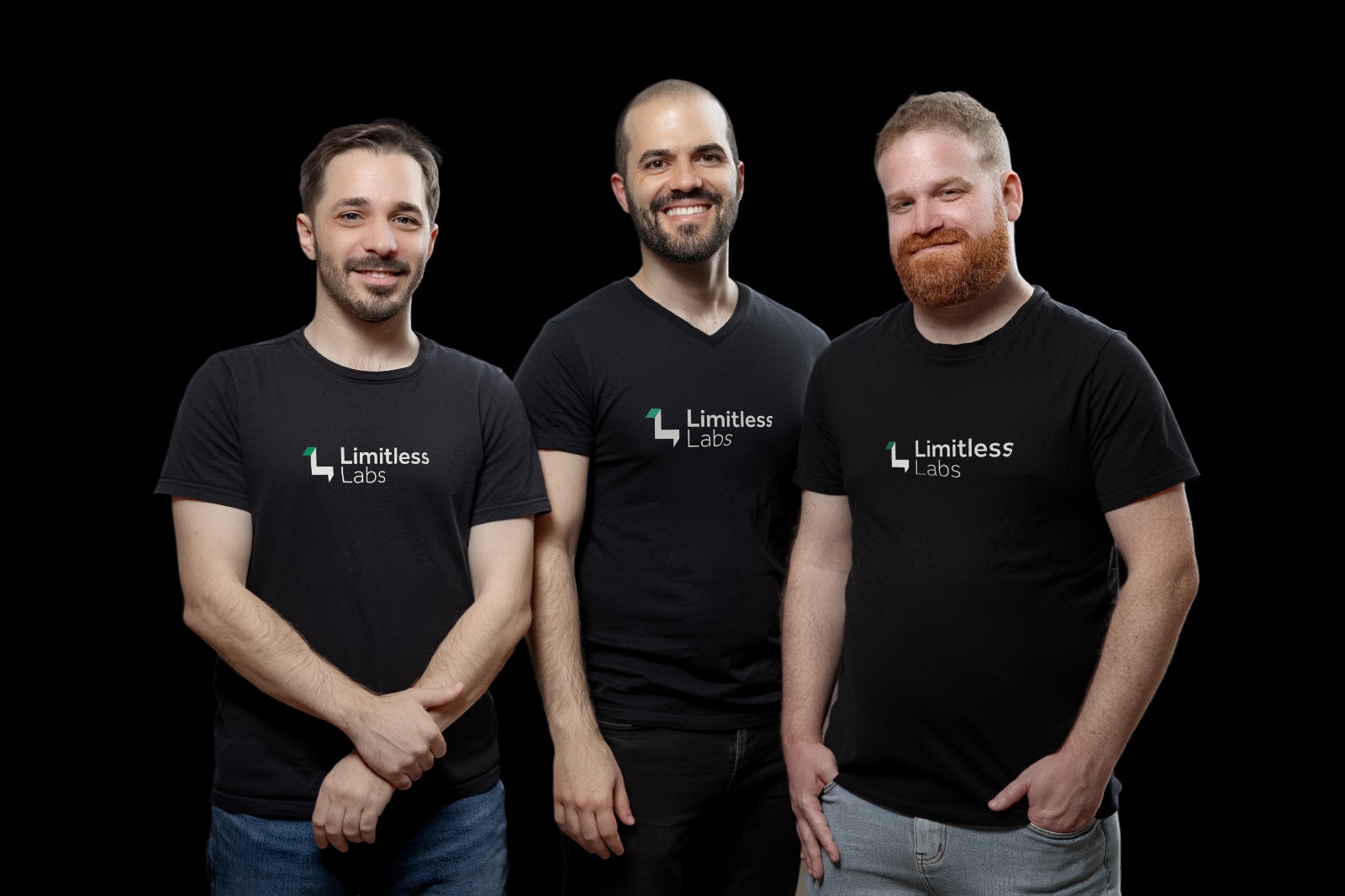
Limitless Labs Raises $20M Series A for Agentic CAD/CAM Platform

Software
Originally reported by 3DPrint.com
Limitless Labs has closed a $20 million Series A funding round, bringing its total raised to $27.3 million, for its agentic CAD/CAM platform that integrates with existing tools like Creo, Siemens NX, and Mastercam. The round was led by Dell Technologies Capital, with participation from Square Peg, Grove Ventures, Meron Capital, and Kinetica. CEO David Priev stated the platform aims to capture and scale the expertise of experienced machinists by standardizing best practices and reducing programming bottlenecks. The company claims its CAM Agent can recommend tools, prioritize operations, and generate tool paths, saving operators up to half the work time, and is targeting defense, aerospace, and motorsports with pilot programs at Cadillac, Blue Origin, and Sandvik.
This funding round fits the recurring pattern of AI-driven software startups attempting to bridge the gap between digital design and physical manufacturing, a space that has seen dozens of entrants over the past 18 months. Unlike pure-play generative design or standalone CAM tools, Limitless Labs positions itself as an overlay on established CAD/CAM ecosystems, which lowers the switching cost for conservative manufacturing buyers. The company's emphasis on ITAR-compliant deployment and its reported pilots with Blue Origin and Cadillac suggest it is targeting the aerospace and defense verticals, where qualification burden is high but the value of reducing programming time for complex, low-volume parts is significant. The core challenge remains data security: the platform must ingest proprietary CAD geometry and toolpath data to train its models, raising legitimate concerns about intellectual property leakage and reverse engineering, which the company has not yet fully addressed in its public communications.
From a practical standpoint, Limitless Labs must now execute on sales ramp-up and model improvement while proving its data firewall claims to skeptical manufacturing buyers. The company's ability to secure ITAR-compliant deployments will be a key differentiator, but the broader AI CAD/CAM cohort has yet to demonstrate widespread production adoption. For potential users, the near-term value proposition is real-reducing CAM programming time-but the risk of exposing proprietary manufacturing data to a third-party model remains unresolved. The company should prioritize publishing a clear data governance policy and independent security audit results before expecting broad enterprise uptake.
This article is an AI-assisted rewrite of the linked source report. Facts originate from the source; phrasing is AMPulse's. Use Read Original below to verify, or Report an issue if something is wrong.