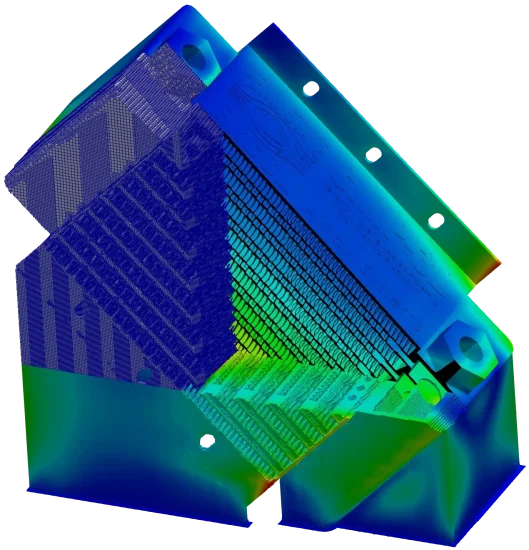
PanOptimization's PanX simulation validated against full-build LPBF data in AFRL-funded Ti-6Al-4V study

Software
Originally reported by 3DPrint.com
A peer-reviewed paper in the International Journal of Advanced Manufacturing Technology validates PanOptimization's PanX simulation software against full build-volume LPBF data for Ti-6Al-4V parts. The three-year study was supported by an $8.7 million AFRL grant (FA8650-23-C-5701) and involved researchers from the Air Force Life Cycle Management Center at Tinker Air Force Base, the Oklahoma City Air Logistics Center, AFRL, and the University of Oklahoma's Sooner Advanced Manufacturing Laboratory. The team compared PanX's thermomechanical predictions against in-situ interlayer temperature measurements across complete build volumes, finding the software correctly flagged potential crack sites and matched thermal behavior across varied part geometries.
Part-scale residual stress prediction addresses a persistent bottleneck in metal AM: distortion and cracking risk that surfaces only after a build completes, wasting powder, machine time, and schedule. Chief Engineer Erik Denlinger said the validated thermal accuracy lets PanX optimize process timing and compensate for distortion ahead of tight-tolerance builds, and that extending the work to include actual energy input and machine timing data is the next step. Full-build validation against real interlayer temperature data, rather than single-part case studies, is a higher evidentiary bar than most AM simulation vendors have published, and government sponsorship of the underlying research strengthens the case for using PanX in qualification and certification workflows for Air Force sustainment programs.
This article is an AI-assisted rewrite of the linked source report. Facts originate from the source; phrasing is AMPulse's. Use Read Original below to verify, or Report an issue if something is wrong.
Topics