Varai Innovation unveils GIM process using 3D printed molds at ME2026, linking ceramic and metal forming

Materials
Originally reported by KIDD
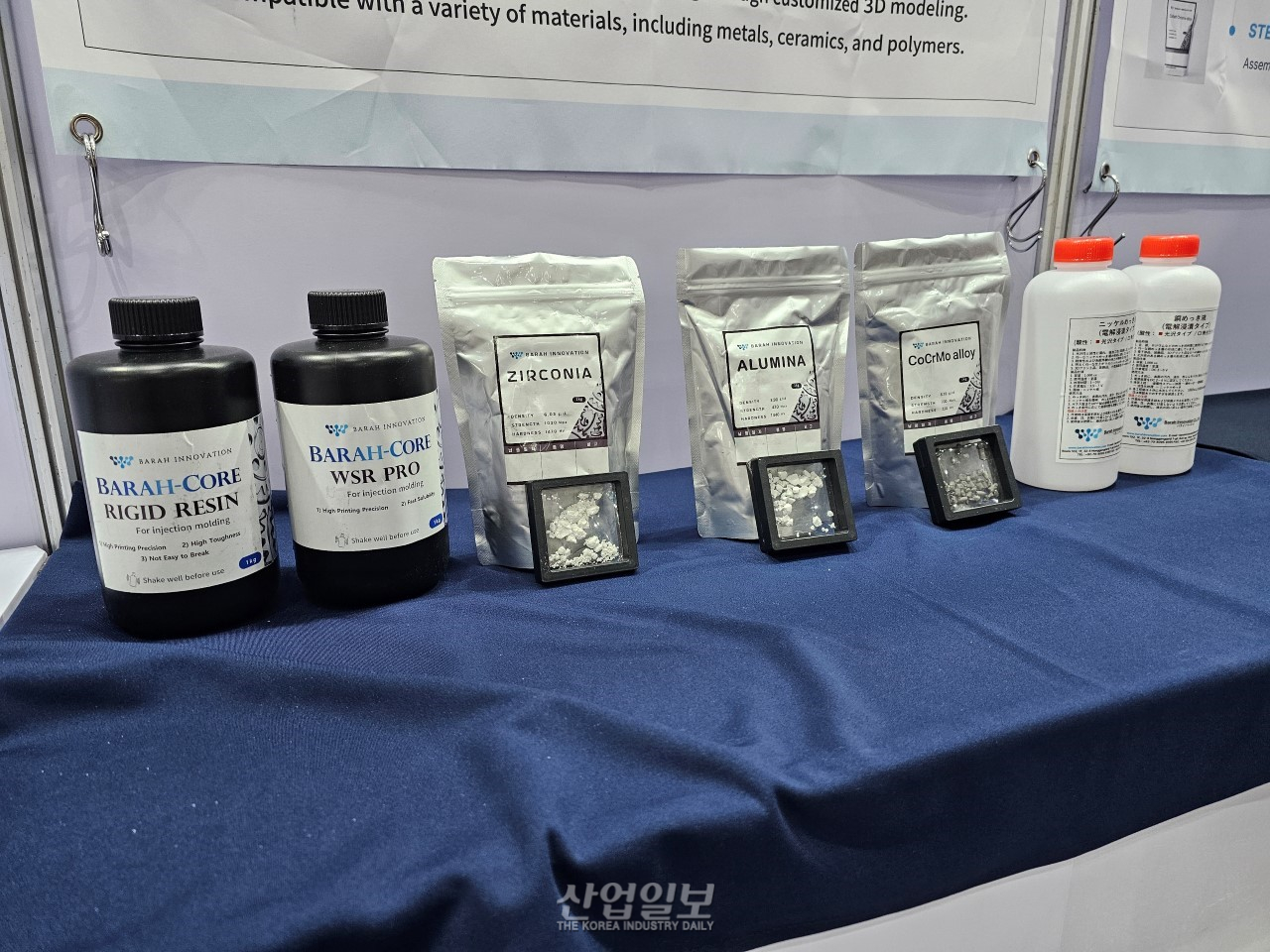
South Korean additive manufacturing materials and mold specialist Varai Innovation showcased its Geometric Injection Molding (GIM) process at the ME2026 exhibition in Bangkok, Thailand, from June 17–20. The company demonstrated how 3D printed photopolymer molds are integrated with metal injection molding (MIM) and ceramic injection molding (CIM) to produce complex internal channels and micro-features that conventional machining cannot achieve. Varai also exhibited its proprietary BARAH-CORE RIGID RESIN and BARAH-CORE WSR PRO photopolymers for mold fabrication, alongside zirconia, alumina, and CoCrMo alloy feedstocks for downstream ceramic and metal part production. CEO Kang Jin-ho stated the company aims to provide a unified response from materials through mold design to process engineering.
This announcement is significant because it bridges two manufacturing domains that rarely intersect in production: additive mold fabrication and high-volume injection molding. Varai Innovation is not a machine OEM competing with LPBF or binder jetting vendors; it operates in the tooling and materials layer of the value chain, where AM adoption is often economically invisible but operationally critical. The GIM process targets industrial-tooling and energy verticals where small-batch, high-complexity metal or ceramic parts are needed without the cost of hard tooling. By linking CIM and MIM with additively produced molds, Varai addresses a persistent gap in the market: the inability to economically produce injection molds with conformal cooling or intricate internal geometries for short-to-medium production runs. The company's material portfolio - from photopolymer resins to ceramic and cobalt-chrome feedstocks - suggests a vertically integrated approach that reduces qualification friction for end users.
From a practical standpoint, Varai Innovation must now demonstrate that its GIM process can deliver repeatable dimensional accuracy across multiple injection cycles, as mold wear from ceramic and metal feedstocks is a known failure mode. The company's presence at a Southeast Asian trade show also signals intent to serve regional manufacturing hubs beyond Korea. For buyers evaluating hybrid AM-injection molding workflows, the key question is whether Varai's material and process integration reduces total cost per part compared to conventional mold machining or direct metal AM. This is a measured step toward production-grade tooling, not a breakthrough - execution on cycle life and surface finish will determine its commercial relevance.
Topics