Omni3D integrates mobile 3D printing production with tactical drone family

Hardware
Originally reported by 3Druck
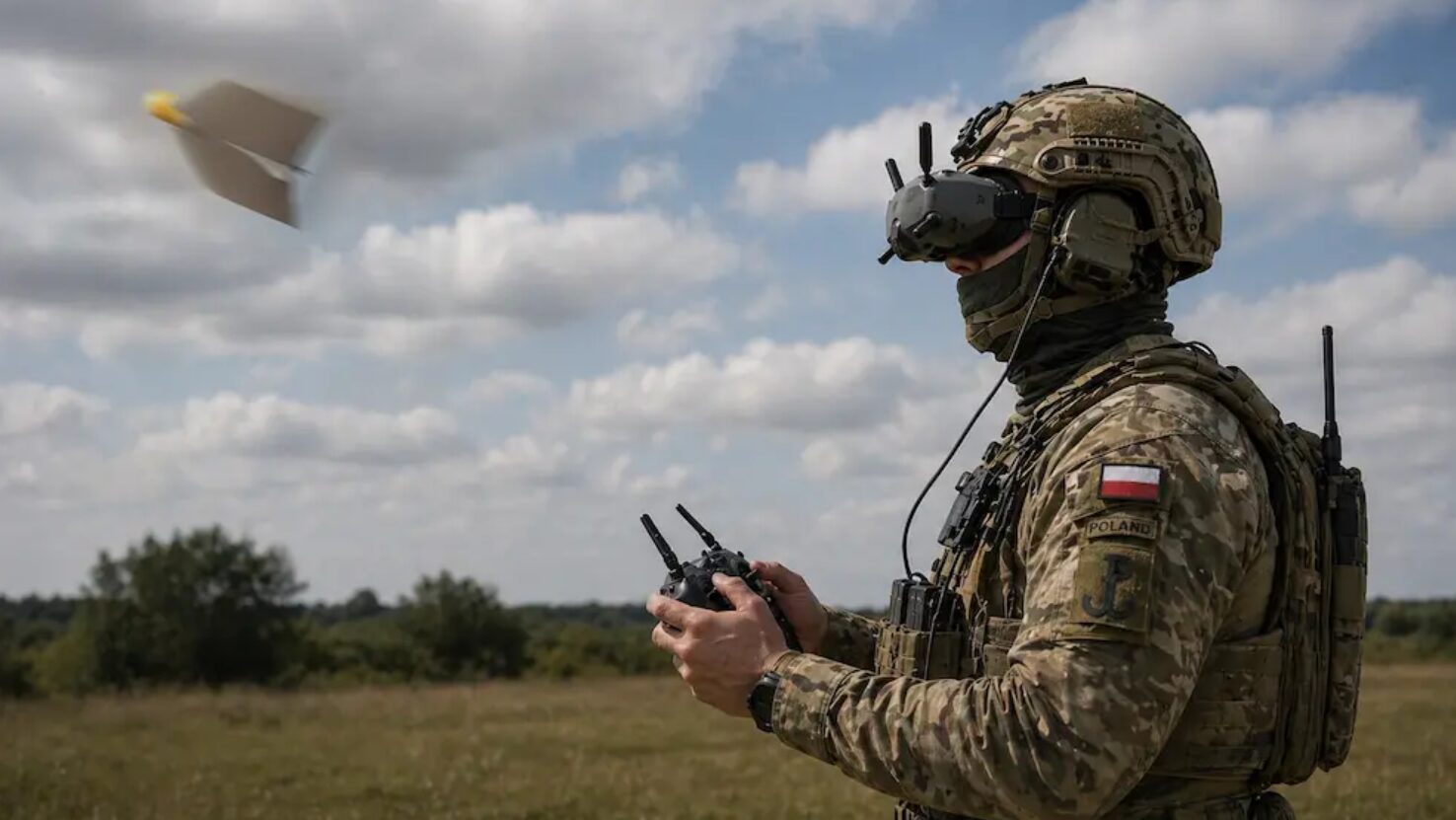
Polish additive manufacturing firm Omni3D has unveiled an integrated defense offering combining its Mosquito family of tactical drones with the TFU20 mobile production unit, a 20-foot containerized 3D printing system. The Mosquito 1000 and Mosquito 1600 are small tactical drones capable of speeds up to 240 km/h, with payload capacities of 1,000 grams at 25 km range and 1,575 grams at 20 km range respectively. The TFU20 container enables on-site fabrication of spare parts, housings, mounts, and payload components using high-performance polymers including PEKK, PEEK, and ULTEM, with carbon or glass fiber reinforcement and ESD properties. The system features AES-256 encrypted communication, centralized inventory management, and full traceability of file uploads, accesses, and downloads.
This announcement sits at the intersection of two accelerating trends in the AM industry: the defense vertical's politically accelerated adoption wave and the growing emphasis on resilient, distributed supply chains. Omni3D is not positioning 3D printing as a standalone technology but as an enabler of mission logistics - a framing that aligns with how defense procurement is increasingly evaluating AM. The TFU20 concept directly addresses the qualification and repeatability demands that have historically slowed AM adoption in defense: by containerizing the production environment and enforcing digital governance, Omni3D offers a path to certified part production closer to the point of need. This mirrors the broader industry shift from machine-centric marketing to service-led, qualification-grounded value propositions, particularly relevant as European defense programs seek alternatives to long, centralized supply chains.
From a practical standpoint, Omni3D's success will depend on whether the TFU20 can demonstrate repeatable material properties and part quality under field conditions, and whether the Mosquito platform achieves sufficient procurement volume to justify the integrated logistics concept. For defense buyers, the key question is not whether mobile 3D printing works in demonstrations, but whether the combination of drone platform and on-site fabrication can reduce mean-time-to-repair and logistics footprint in operational scenarios. This is a credible, incremental step toward field-deployable AM, not a breakthrough - and it will stand or fall on execution and program adoption.
This article is an AI-assisted rewrite of the linked source report. Facts originate from the source; phrasing is AMPulse's. Use Read Original below to verify, or Report an issue if something is wrong.