Rheinmetall adopts Minifactory FFF for Challenger 3 tank ducting production

Hardware
Originally reported by 3DPrint.com
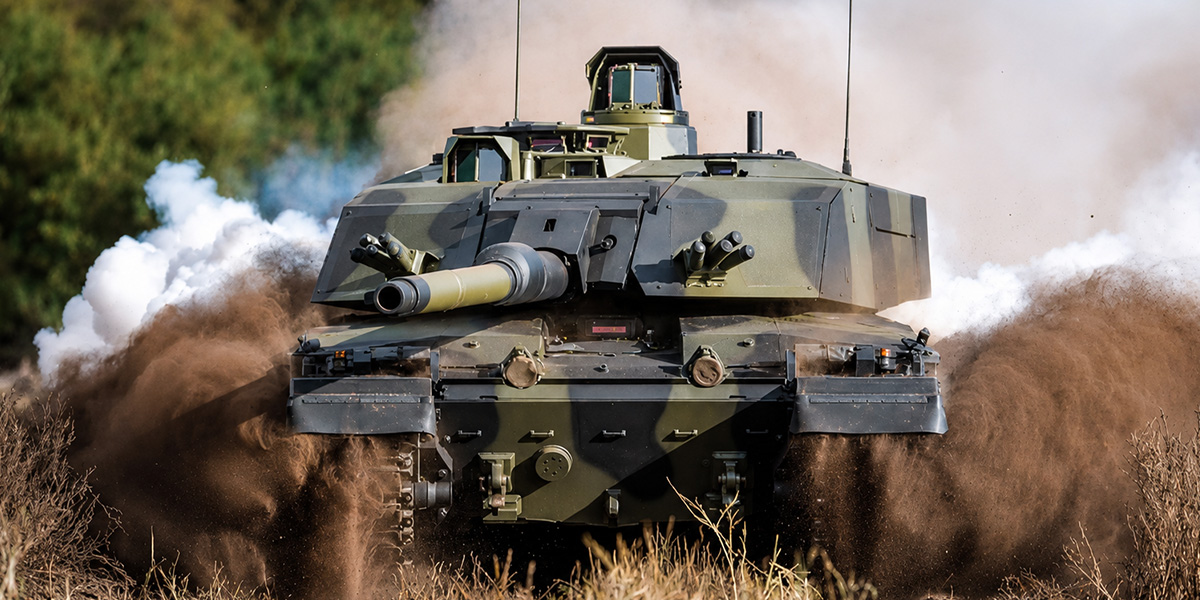
Rheinmetall UK has selected Finnish OEM Minifactory's Ignite material extrusion system as the primary production method for air ducting on the Challenger 3 main battle tank program, using ULTEM 9085. The partnership moves ducting manufacture from traditional molding or multi-part assembly to single-piece FFF production, enabling daily design iteration and on-demand spare-part manufacturing. Julian Wright, Technology Programmes Manager at Rheinmetall UK, stated that additive manufacturing is now the baseline solution for ducting on the program, citing reduced programme risk and improved cash flow through on-demand production.
This deployment fits the recurring pattern of polymer FFF ducting quietly embedding into defense programs, mirroring Boeing's decades-long use of 3D printed ducts on commercial aircraft. For Minifactory, the Rheinmetall reference provides a Tier-qualifying defense customer that validates its Ignite system for demanding military-grade materials and qualification workflows. The Challenger 3 program's 148-tank run and evolving electronics suite create exactly the conditions-low volume, high complexity, frequent design changes-where FFF competes favorably against injection molding, which would require expensive tooling changes and longer lead times for each variant. Rheinmetall's statement that additive is now the "baseline solution" rather than a backup method signals a shift in how defense primes treat polymer AM: from experimental contingency to preferred process for certain part families.
For Minifactory, the tangible next step is leveraging this reference to pursue similar ducting programs on other armored vehicle platforms, particularly as European defense budgets expand post-2025. The company must now demonstrate it can support Rheinmetall's full production rate without compromising on ULTEM 9085's mechanical properties or repeatability. For the broader AM industry, this case quietly moves the needle on polymer adoption in defense-no large press conference, just a contract that proves FFF can displace molding for a critical subassembly on a sovereign tank program.
Topics