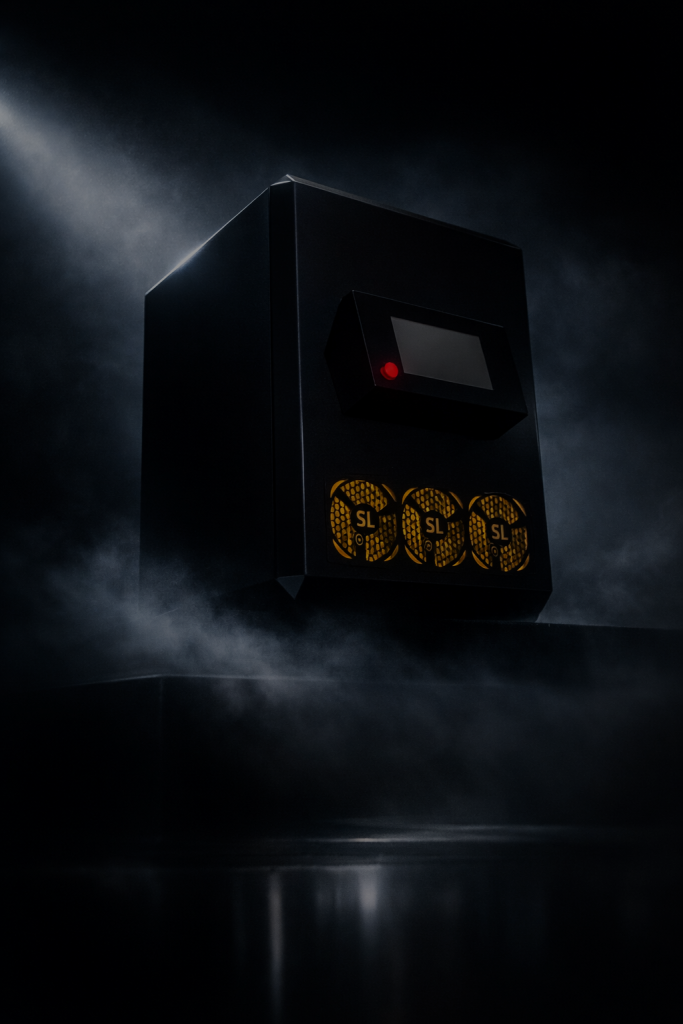
Scrap Labs unveils Scrap 1 metal LPBF printer with $9,600 limited-time kit pricing at RMRRF 2026

Hardware
Originally reported by 3D Printing Industry
Boulder-based Scrap Labs has officially debuted its Scrap 1 metal Laser Powder Bed Fusion (LPBF) 3D printer at the Rocky Mountain RepRap Festival 2026 in Loveland, Colorado. Led by Founder and CEO Matt Woods, the company is offering a limited-time kit price of $9,600, which is scheduled to rise to $14,200 after April 30, 2026. The Scrap 1 system features a 100 x 100 x 100 mm build volume, a 200W laser operating at 915 nm with a 135 μm spot size, and a maximum scan speed of 1,500 mm/s. The hardware supports a range of materials including 316L stainless steel, tool steel, copper, nickel alloys, and cobalt-chrome, achieving reported part densities exceeding 99%.
This release targets the significant cost barrier that has historically limited metal LPBF adoption to high-end industrial facilities and aerospace OEMs. By utilizing Klipper open-source firmware and a compact 30 kg footprint, Scrap Labs is positioning itself against high-cost incumbents by focusing on engineering efficiencies rather than feature reduction. The system's ability to run on standard 100–240V AC single-phase power and its compatibility with existing slicers like PrusaSlicer and OrcaSlicer suggests a strategy aimed at the research, education, and small-scale prototyping sectors. This move addresses the gap between low-cost polymer FDM machines and the six-figure investment required for traditional industrial metal AM systems.
For the Scrap 1 to succeed in a commercial environment, the company must prove that its focus on incremental efficiency can maintain the metallurgical consistency required for functional metal parts. Early adopters should prioritize testing the machine's thermal management and gas shielding stability across different alloy types before integrating it into critical workflows. The transition from kit-based assembly to fully assembled systems at $17,990 will be a key metric for determining the platform's scalability in the professional market.
This article is an AI-assisted rewrite of the linked source report. Facts originate from the source; phrasing is AMPulse's. Use Read Original below to verify, or Report an issue if something is wrong.