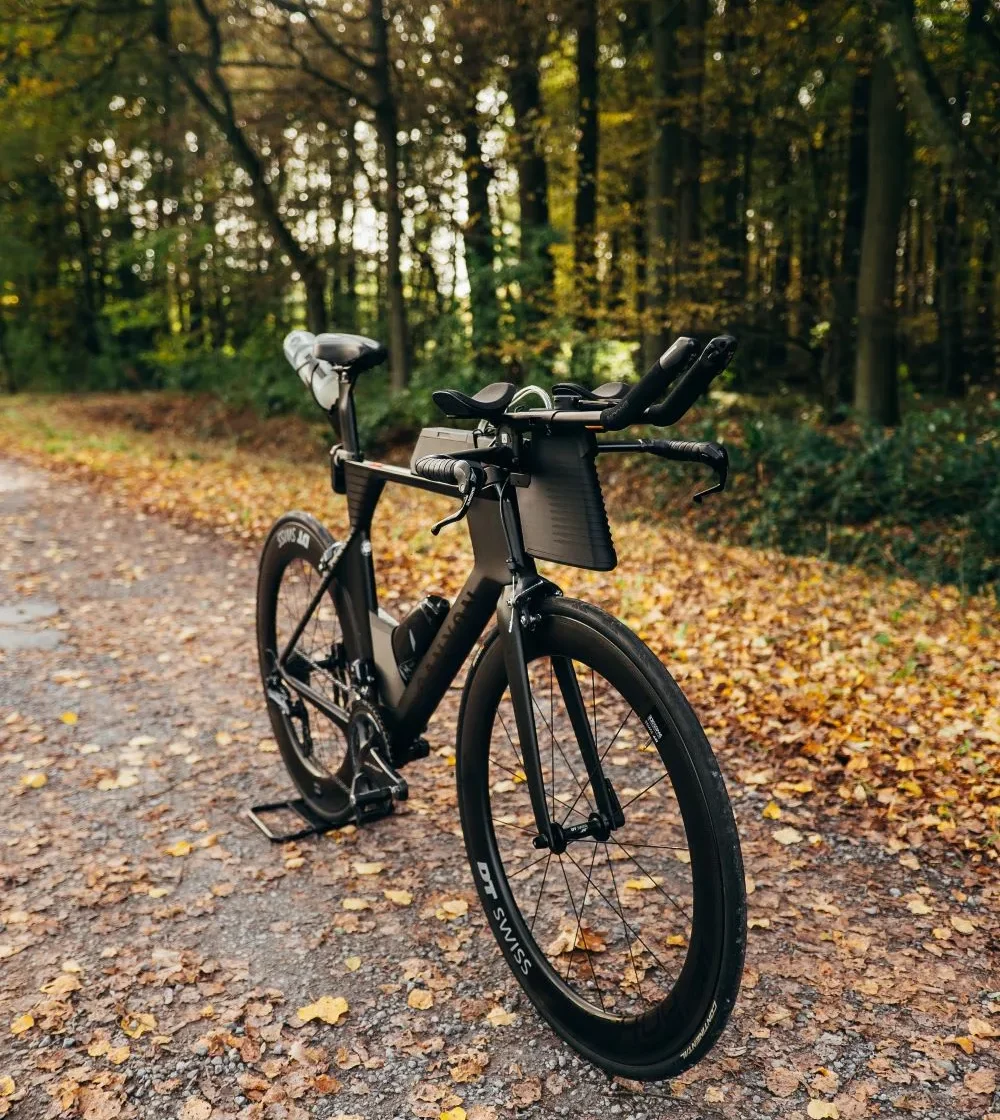
Fairlight Cycles integrates 3D printed tooling and cable guides into steel frame production

Application
Originally reported by 3DPrint.com
British bicycle manufacturer Fairlight Cycles has integrated multiple 3D printed components into its Stael 4.0 steel frame bicycle, including a 3D printed down tube cable guide and a bottom bracket cable guide produced via material extrusion. The company also revealed that its tube supplier, Reynolds, uses an in-house metal LPBF machine to fabricate custom tooling for bending steel tubes, enabling custom geometry while reducing tooling costs. These parts are produced on desktop FDM/FFF printers and metal LPBF systems, respectively, and are available as standard equipment on the production bike, not as aftermarket upgrades.
This development sits at the intersection of industrial tooling and consumer product customization, a pattern where AM quietly embeds into traditional manufacturing workflows rather than replacing them. Reynolds' use of metal LPBF for bending tools is a textbook example of the industrial-tooling segment - economically significant but media-invisible - where the ROI comes from reduced lead time and increased geometric flexibility, not from end-part weight savings. Fairlight's cable guides, meanwhile, demonstrate how low-cost polymer material extrusion can solve real assembly and aesthetic problems for small-volume production, a use case that scales well for boutique manufacturers but does not challenge high-volume injection molding. The cycling vertical, with its high per-kilogram pricing and tolerance for customization, remains a natural proving ground for AM adoption, particularly for small brands that can iterate quickly without qualification overhead.
For the broader AM industry, the Fairlight case reinforces a practical truth: the most durable AM applications are often the least visible ones. Reynolds' tooling application will likely outlast any hype cycle around 3D printed bike frames, because it solves a concrete manufacturing problem with a clear cost benefit. Fairlight's cable guides are a nice design touch, but the real signal is that a traditional steel-frame builder can adopt AM incrementally without retooling its entire production line. Buyers evaluating AM for similar low-volume, high-variability manufacturing should look first at tooling and assembly aids, not end-use parts.
This article is an AI-assisted rewrite of the linked source report. Facts originate from the source; phrasing is AMPulse's. Use Read Original below to verify, or Report an issue if something is wrong.
Topics